How to Choose Bridesmaid Dresses: A Complete Guide to Colors, Styles & Wedding Looks
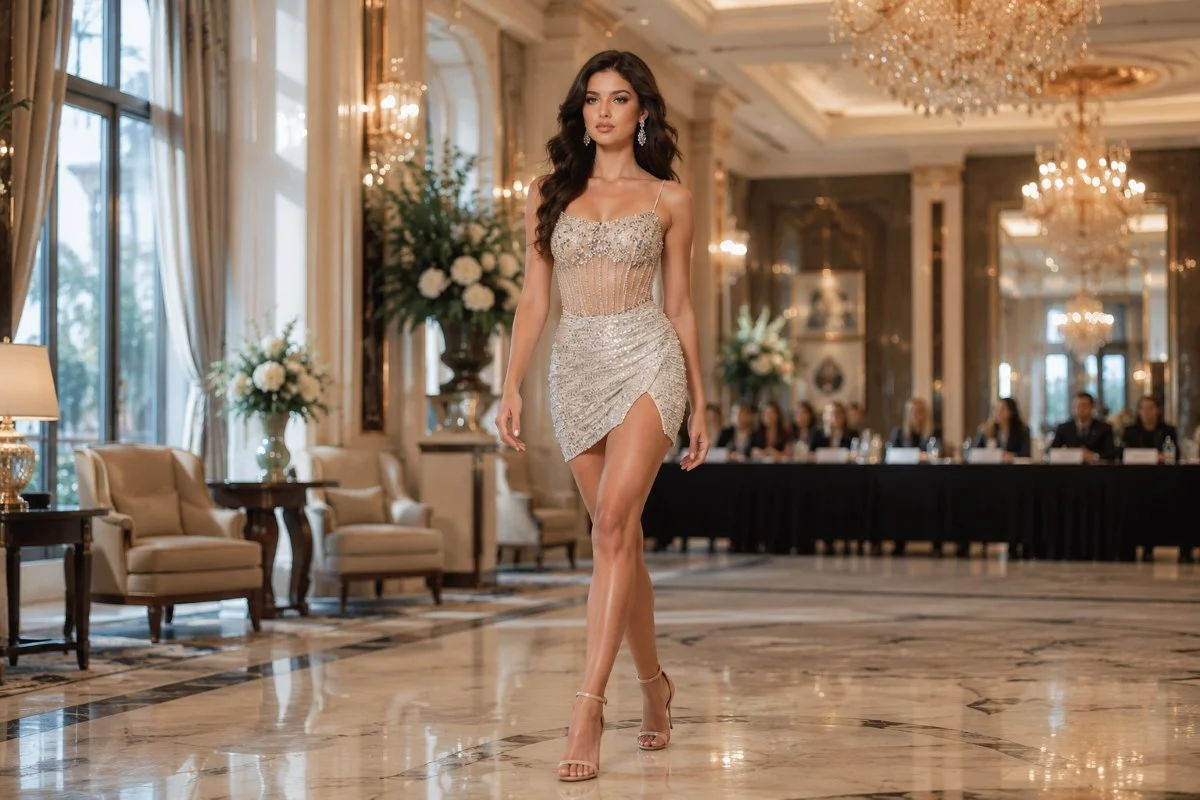
Choosing bridesmaid dresses is an important part of creating a beautiful and memorable wedding. The right dresses should complement the bride’s gown, reflect the wedding theme, and help every member of the bridal party feel comfortable and confident. From elegant floor-length gowns to modern midi dresses, there are countless ways to create a coordinated look without making every bridesmaid wear exactly the same outfit.
Whether you’re planning a romantic garden ceremony, a classic ballroom celebration, or a relaxed destination wedding, this guide will help you choose bridesmaid dresses that bring the entire wedding look together.
1. Start With the Wedding Theme and Venue
Before choosing colors or dress styles, consider the overall atmosphere of the wedding. The venue, season, time of day, and dress code can all influence which bridesmaid dresses will work best.
Formal and Black-Tie Weddings
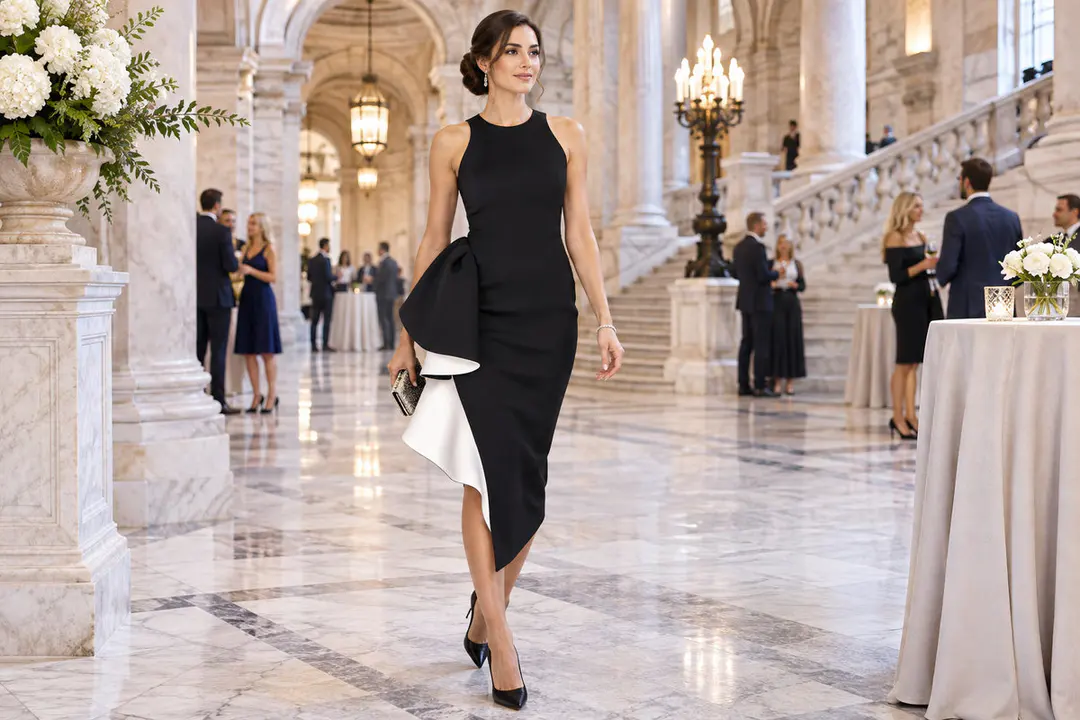
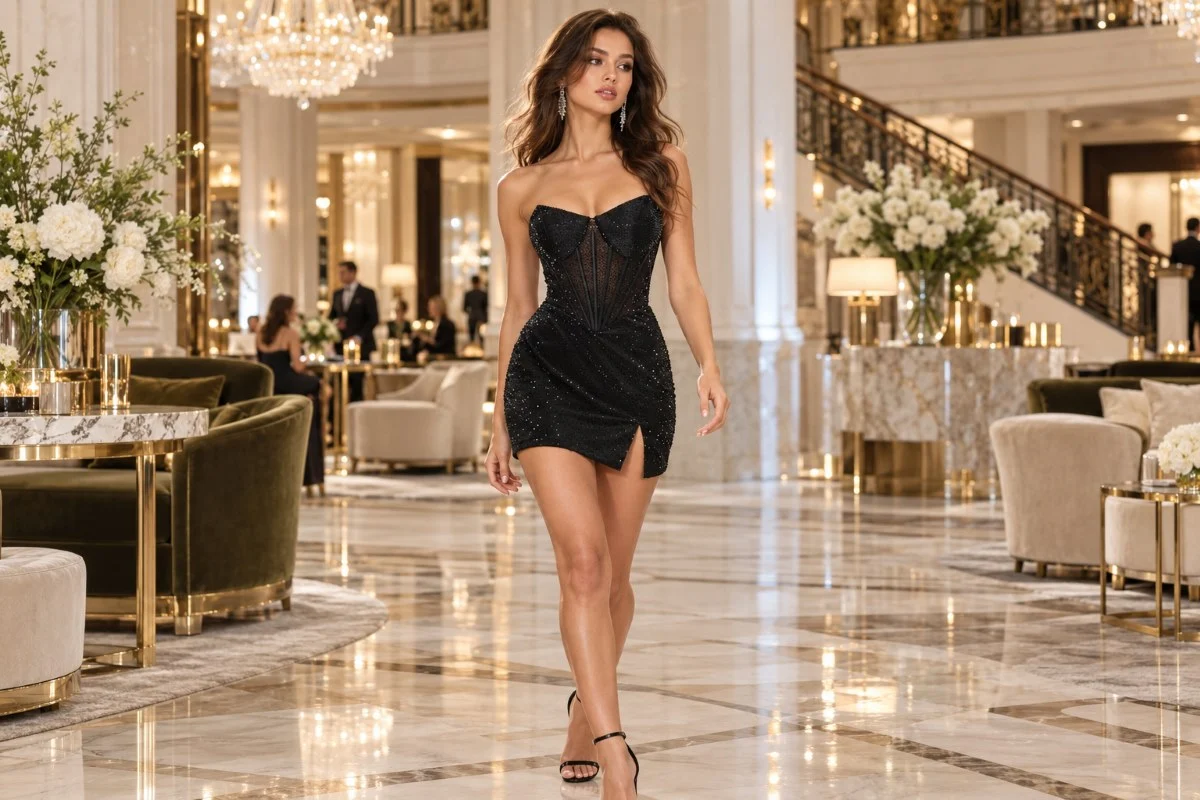
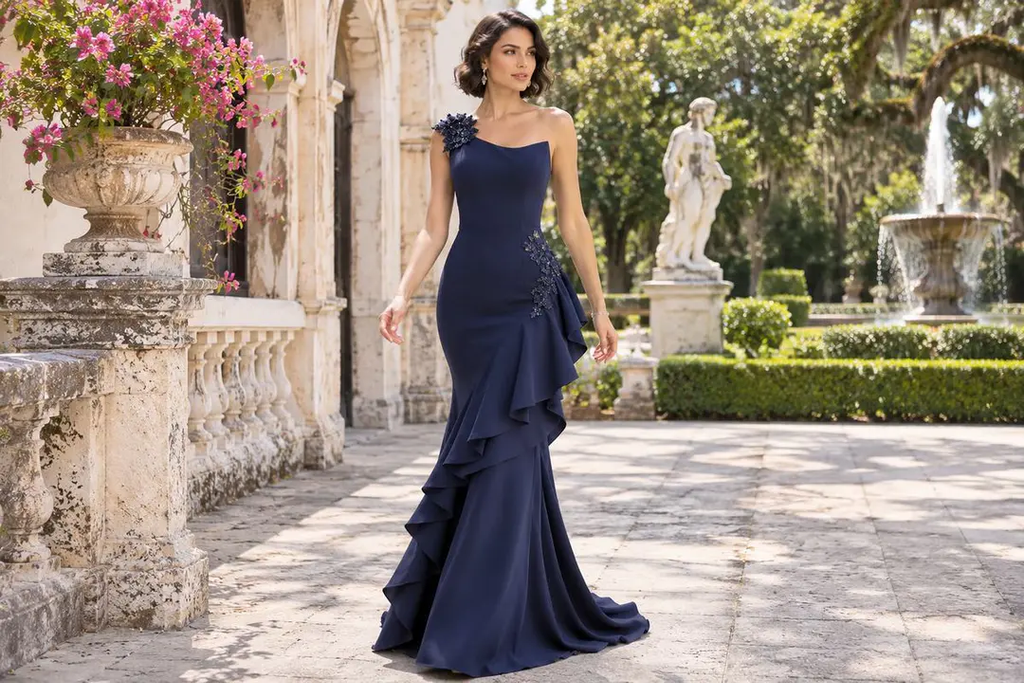
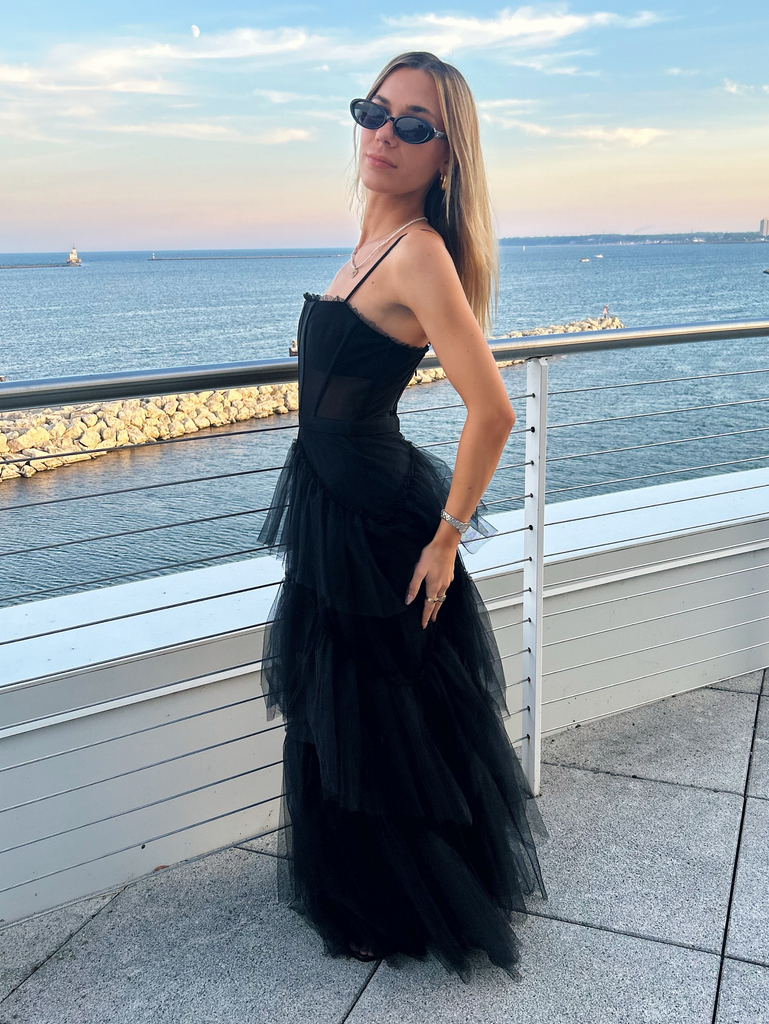
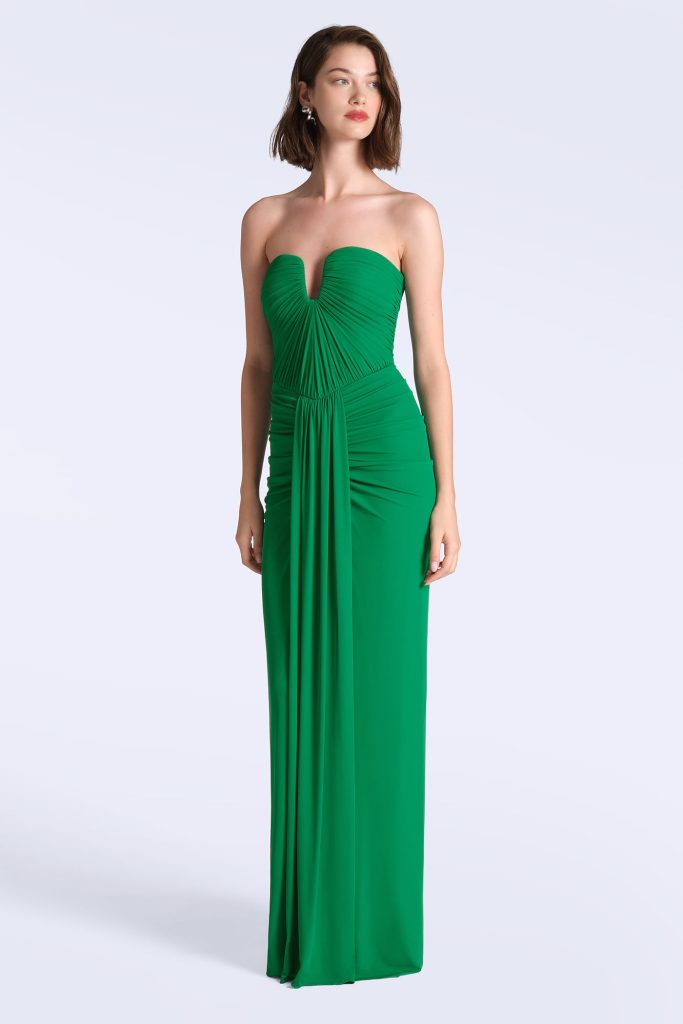
For an elegant evening celebration or formal ballroom wedding, floor-length gowns are a timeless choice. Satin, chiffon, crepe, and other refined fabrics can create a sophisticated bridal party look. Deep navy, emerald, burgundy, and classic black may suit more formal settings, depending on the couple’s preferences.
Garden and Outdoor Weddings
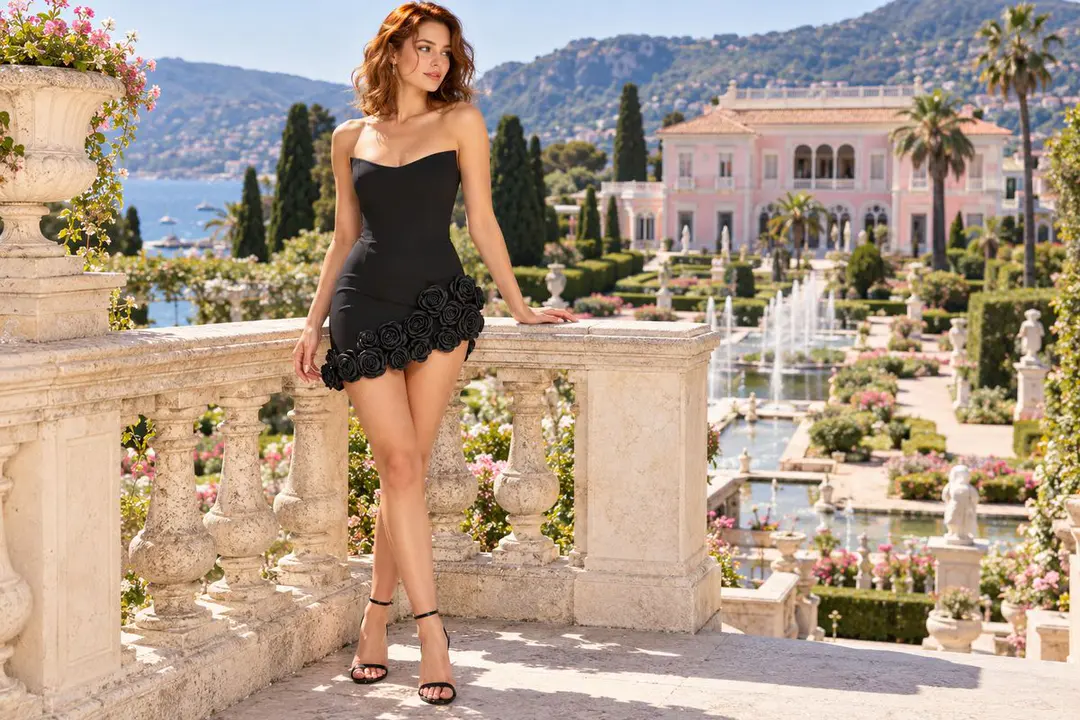
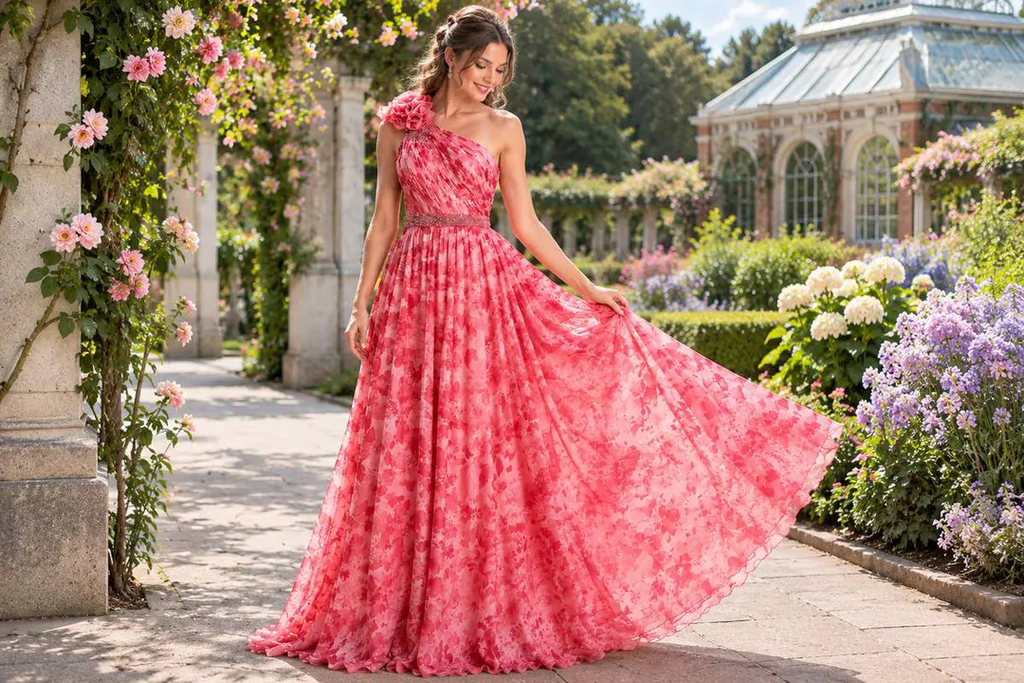
Outdoor weddings often pair beautifully with softer colors, flowing silhouettes, and lightweight fabrics. Floral details, pastel shades, and chiffon dresses can complement natural surroundings without looking overly formal.
Beach and Destination Weddings
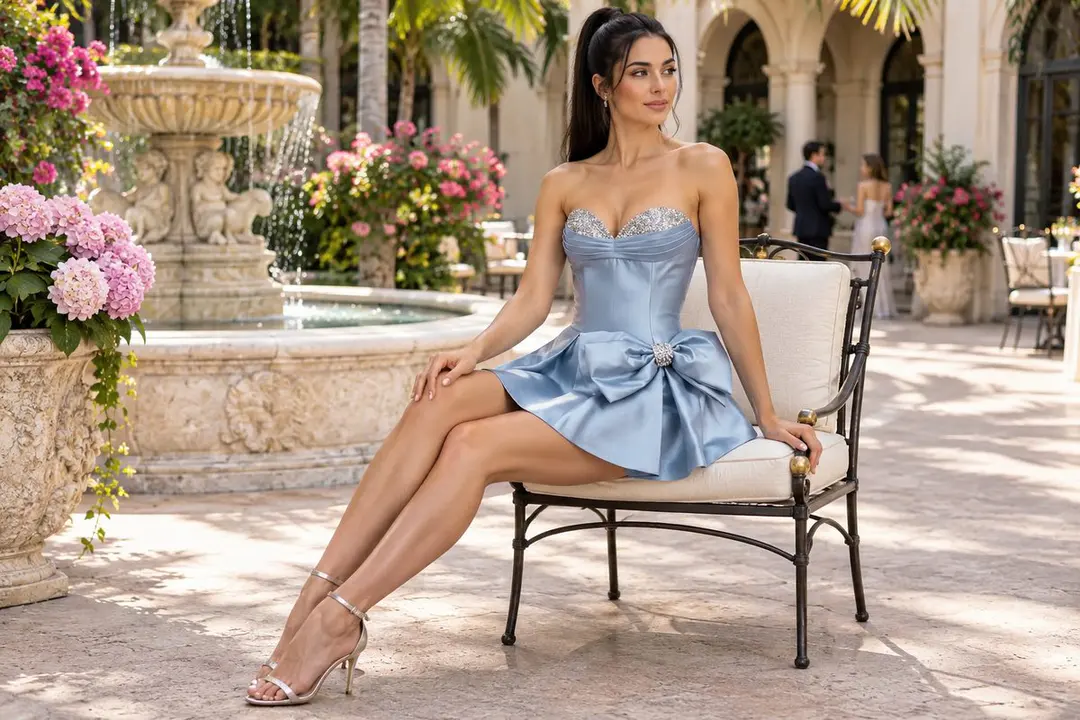
For a beach ceremony or destination celebration, consider breathable fabrics and designs that allow easy movement. Light blue, sage green, blush, champagne, and other soft tones can create a relaxed and elegant atmosphere.
Modern and Minimalist Weddings
If the wedding has a contemporary aesthetic, clean lines and understated details can make a strong impression. Simple satin dresses, sleek midi silhouettes, and coordinated neutral shades are worth considering.
2. Choose a Bridesmaid Dress Color Palette
Color is one of the most noticeable elements of a coordinated bridal party. The right palette should complement the wedding flowers, decorations, venue, and the overall color scheme.
Here are several popular directions to consider:
- Blush and Dusty Rose: Romantic and feminine shades that work beautifully for spring and summer weddings.
- Sage and Olive Green: Natural, understated colors that complement garden and outdoor ceremonies.
- Navy and Royal Blue: Classic choices for elegant, formal, and evening weddings.
- Burgundy and Wine: Rich tones that add warmth and depth to fall and winter celebrations.
- Champagne and Neutral Shades: Soft, sophisticated colors for timeless and modern wedding aesthetics.
- Emerald and Forest Green: Elegant shades that create a refined look, particularly for evening events.
Should All Bridesmaids Wear the Same Color?
Not necessarily. There are several ways to coordinate a bridal party while allowing individual style preferences.
One Color, Different Dress Styles: Choose a single color but allow bridesmaids to select different necklines, sleeve designs, or silhouettes.
A Tonal Color Palette: Use several complementary shades within the same color family, such as light blue, dusty blue, and navy.
Different Colors, One Shared Style: Select a consistent dress silhouette or fabric while allowing a carefully chosen range of colors.
The key is to establish clear guidelines before shopping so that every dress contributes to a cohesive overall look.
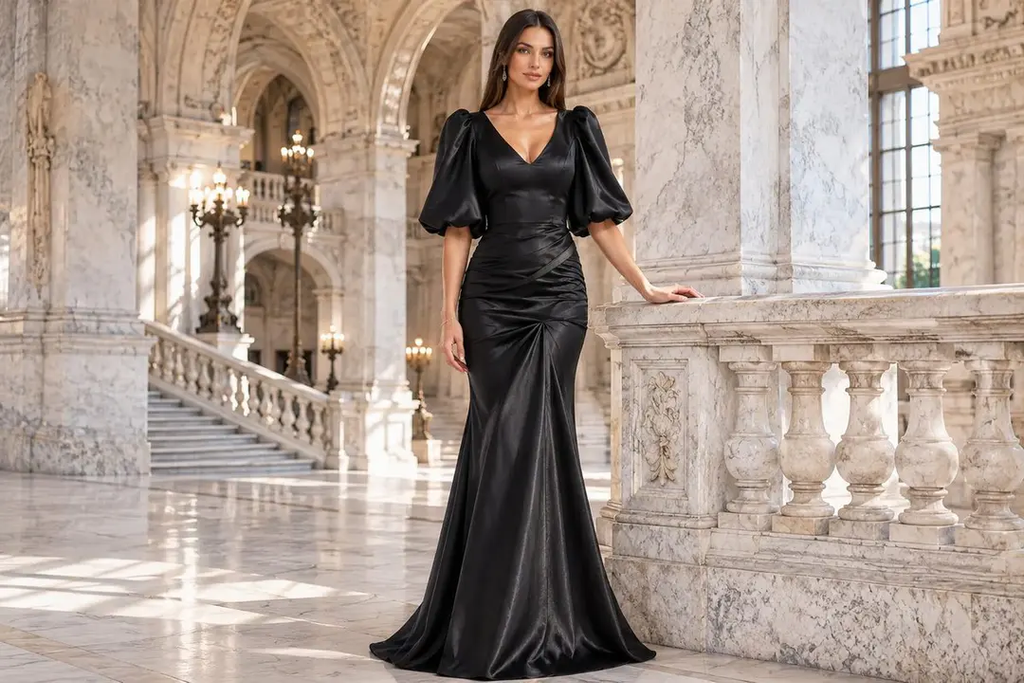
3. Find the Right Bridesmaid Dress Silhouette
Every bridesmaid has different preferences when it comes to fit, coverage, and comfort. Rather than expecting everyone to wear an identical silhouette, consider choosing a dress style that suits the wedding while allowing some flexibility.
A-Line Bridesmaid Dresses
A-line dresses feature a fitted upper section and a skirt that gradually flares from the waist. Their balanced silhouette makes them a versatile option for many wedding styles.
Mermaid and Fitted Dresses
Mermaid and fitted silhouettes create a more defined shape and can bring a glamorous touch to formal celebrations. Consider ease of movement and the comfort of each wearer before choosing a more structured design.
Empire Waist Dresses
Empire waist designs feature a raised waistline beneath the bust, followed by a flowing skirt. They can create a soft, romantic appearance that works well for garden and outdoor weddings.
Column and Sheath Dresses
For a sleek and modern look, column and sheath dresses offer clean lines and a streamlined silhouette. They are particularly suitable for minimalist and contemporary wedding themes.
Midi and Short Bridesmaid Dresses
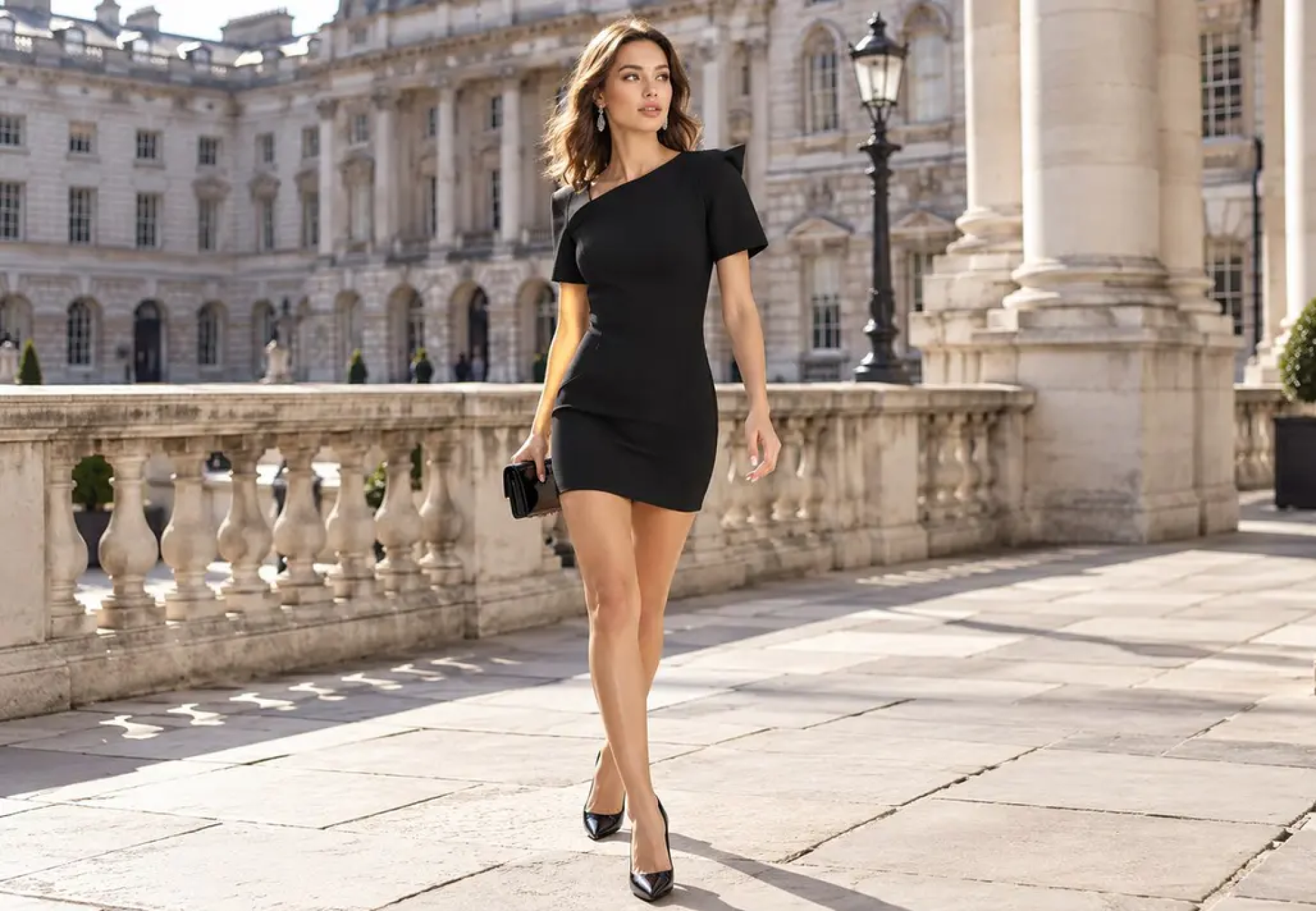
Not every wedding requires a floor-length gown. Midi and knee-length dresses can be excellent choices for daytime ceremonies, casual celebrations, and less formal receptions, provided they fit the wedding dress code.
4. Select the Best Fabric for the Wedding Season
Fabric affects the appearance, movement, and comfort of a bridesmaid dress. It can also influence how the chosen color looks in photographs and under different lighting conditions.
Chiffon: Lightweight and flowing, chiffon is a popular option for romantic and outdoor weddings. Its soft movement creates an elegant appearance.
Satin: With its smooth finish and subtle shine, satin brings a polished and sophisticated feel to formal and evening celebrations.
Crepe: Crepe offers a refined, relatively structured appearance with a smooth drape. It works especially well for minimalist and modern dress designs.
Lace: Lace adds texture and delicate detail, making it suitable for romantic and vintage-inspired wedding aesthetics.
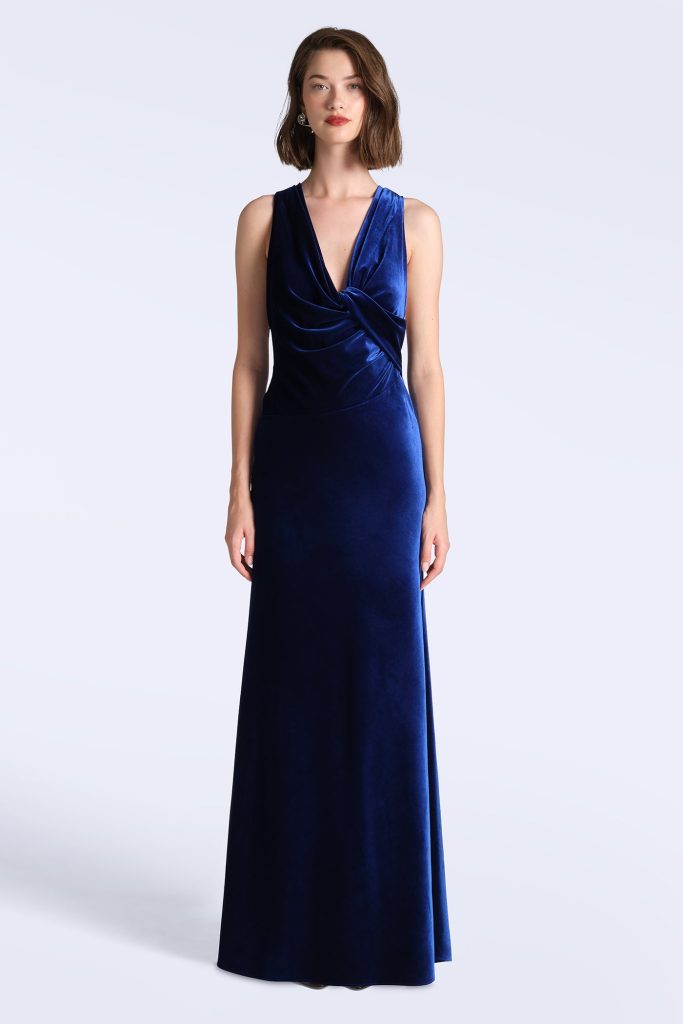
Velvet: Rich in texture, velvet can be a beautiful option for autumn and winter weddings, particularly in deeper colors.
When selecting fabrics, consider the weather, venue, dress construction, and how comfortable the bridesmaids will feel throughout the event.
5. Coordinate Necklines, Sleeves, and Details
Small design details can make a significant difference when creating a coordinated bridal party.
Popular neckline options include:
- V-neck dresses for a classic and flattering look.
- Sweetheart necklines for a romantic feel.
- One-shoulder designs for a modern statement.
- Off-the-shoulder styles for an elegant appearance.
- Square necklines for a clean and contemporary finish.
Sleeve styles can also help accommodate different preferences and seasonal needs. Sleeveless, cap-sleeve, short-sleeve, and long-sleeve designs each offer a different look.
If bridesmaids are wearing different dress styles, try to maintain a shared element such as fabric, color, neckline, or overall length.
6. Set a Realistic Bridesmaid Dress Budget
A beautiful wedding party look does not have to require an unrealistic budget. Before selecting dresses, discuss the expected price range with the bridal party.
Remember that the total cost may include more than the dress itself:
- Dress purchase price.
- Alterations and tailoring.
- Shoes and accessories.
- Undergarments and other styling essentials.
- Shipping and potential delivery costs.
It is helpful to communicate the budget early and consider each bridesmaid’s circumstances. If the wedding party has different budgets, choosing a coordinated range of dress options can make the process more flexible.
7. Plan Your Shopping and Fitting Timeline
One of the easiest ways to reduce wedding planning stress is to start shopping early.
A practical planning schedule might look like this:
Six to Eight Months Before the Wedding
Decide on the color palette, dress length, fabric preferences, and approximate budget. Begin researching styles and checking availability.
Four to Six Months Before the Wedding
Narrow down the dress choices and confirm the selected designs, colors, sizes, and ordering details. Allow enough time for shipping and possible production delays.
Two to Three Months Before the Wedding
Arrange fittings and identify any necessary alterations. Check the dress length with the shoes planned for the ceremony.
One Month Before the Wedding
Complete final adjustments and confirm that everyone has the correct dress, shoes, and accessories.
These are general planning suggestions rather than guaranteed delivery timelines. Always confirm availability and estimated delivery dates with the retailer before placing an order.
8. Choose Shoes and Accessories to Complete the Look
The right accessories can transform a bridesmaid outfit and help create a polished wedding appearance.
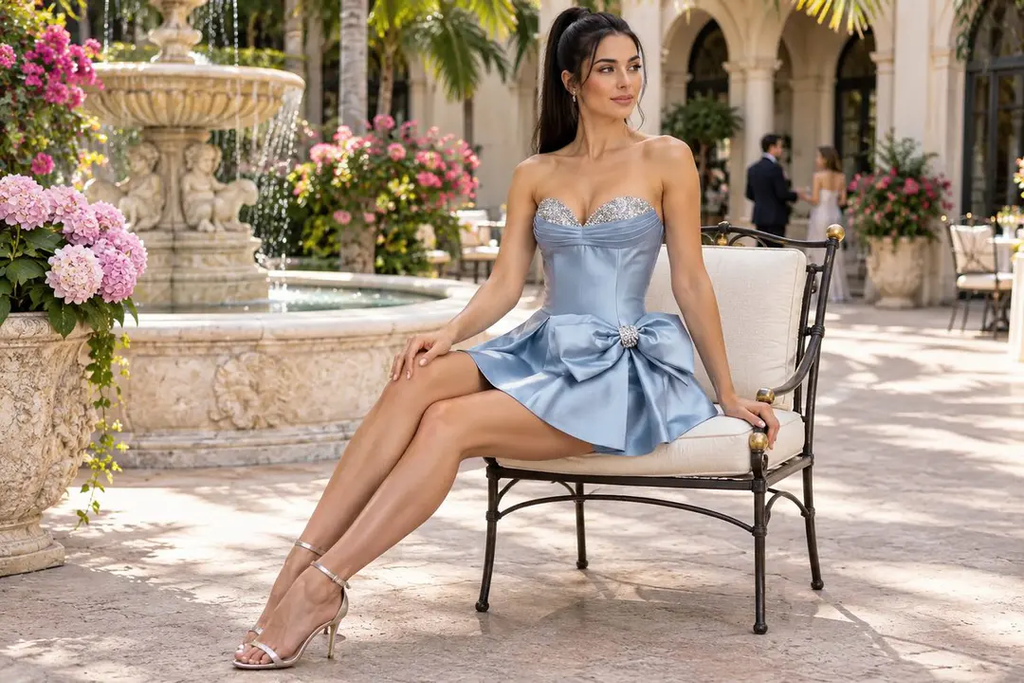
For formal weddings, elegant heels, delicate jewelry, and small evening bags can complement sophisticated gowns. For outdoor or beach ceremonies, comfortable sandals or lower heels may be more practical.
Try to coordinate accessories without making every bridesmaid look identical. A consistent metallic tone, jewelry style, or shoe color can be enough to bring the entire look together.
Most importantly, consider the venue and how long the bridal party will be standing, walking, and dancing. Comfort matters just as much as appearance.
9. Make Bridesmaid Dresses Wearable Beyond the Wedding
Choosing a dress that can be worn again is a thoughtful way to add value to the purchase.
Simple midi dresses, elegant satin designs, classic crepe styles, and understated evening dresses may be easier to wear for future occasions.
Look for versatile colors, comfortable fits, and designs that do not rely too heavily on wedding-specific details. A dress that works for a formal dinner, cocktail party, or special event can become a useful addition to any wardrobe.
10. Bring the Bridal Party Look Together
The most successful bridesmaid dress choices balance coordination with individuality. A shared color palette, complementary fabrics, and consistent styling details can create a beautiful group appearance while allowing every bridesmaid to feel comfortable in her own dress.
Take time to compare colors, review dress measurements, consider the venue, and plan fittings in advance. A little preparation can make the shopping process smoother and help everyone feel confident on the wedding day.
Explore the latest styles at BCBG Dresses for inspiration, including elegant evening dresses, cocktail dresses, satin styles, and sophisticated formal looks. Discover designs that can complement a variety of wedding celebrations and special occasions.
Find Your Style. Celebrate Every Moment. Make the Wedding Day Unforgettable.
Frequently Asked Questions About Bridesmaid Dresses
What color should bridesmaid dresses be?
The best color depends on the wedding theme, season, venue, and the couple’s preferences. Popular options include blush, sage green, dusty blue, navy, burgundy, champagne, and emerald.
Do all bridesmaids need to wear the same dress?
No. Bridesmaids can wear different silhouettes while sharing the same color, fabric, or overall style. This approach creates a coordinated look while allowing individual preferences.
What length is best for bridesmaid dresses?
Floor-length gowns are popular for formal weddings, while midi and knee-length dresses can work well for daytime and less formal celebrations. The wedding dress code should guide the final decision.
Which fabric is best for bridesmaid dresses?
Chiffon is lightweight and flowing, satin offers a polished finish, crepe provides a clean silhouette, and velvet is a popular choice for cooler seasons. Consider the venue, climate, and comfort when choosing.
When should bridesmaid dresses be ordered?
Starting the process six to eight months before the wedding can provide useful flexibility for selection, ordering, delivery, and alterations. Actual lead times vary by retailer and dress availability.
Can bridesmaid dresses be worn again?
Yes. Simple silhouettes, versatile colors, and understated designs are often easier to style for future formal events, parties, and special occasions.
Who traditionally pays for bridesmaid dresses?
Payment arrangements vary by country, culture, and family tradition. The couple and bridal party should discuss costs and expectations clearly before dresses are selected.
How can bridesmaids choose dresses that suit different body types?
Allow each bridesmaid to consider her preferred fit, neckline, coverage, and comfort. Offering a few coordinated silhouettes is often more practical than requiring everyone to wear exactly the same design.